
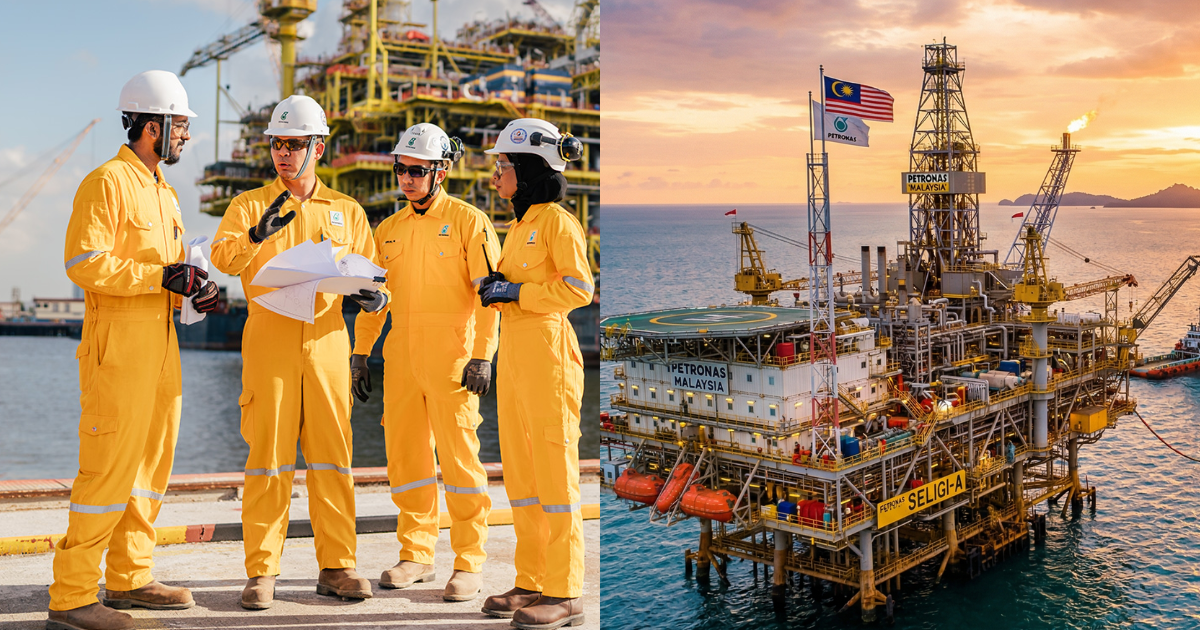
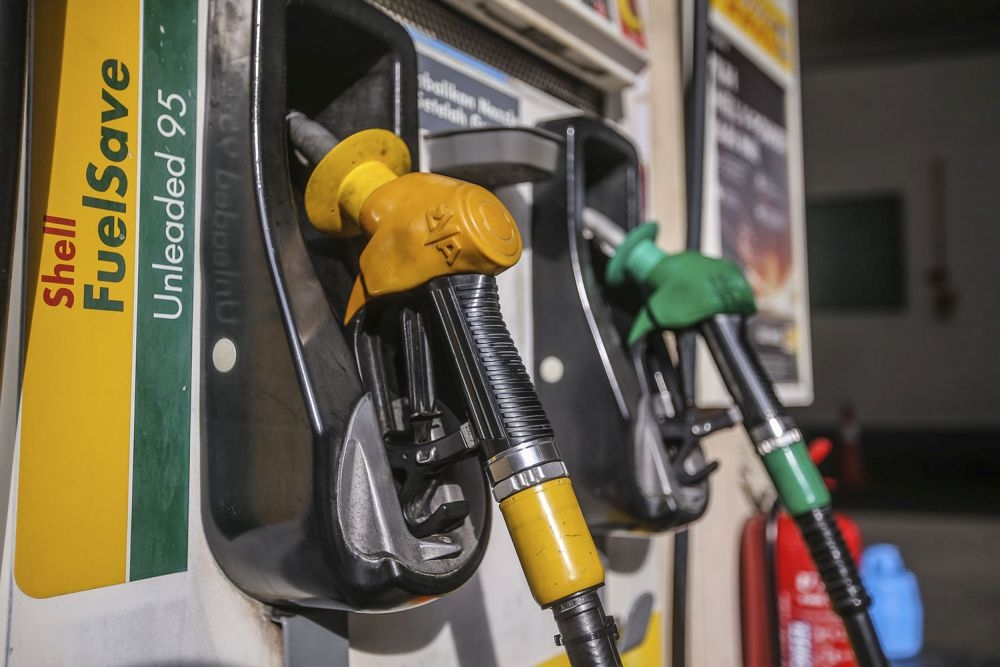
Starting today, 1 April, Malaysia has reduced the monthly quota for subsidised RON95 under the BUDI95 programme to 200 litres, down from 300 litres. Even as the government continues to keep RON95 at RM1.99 per litre, with subsidised diesel at RM2.15 in East Malaysia, the move raises a bigger question. If Malaysia produces oil, why are we still so affected when global prices rise?
A Global Oil Shock That Travels Fast
The chain reaction begins far from Malaysia. Recent tensions in West Asia have disrupted activity around the Strait of Hormuz, one of the most critical routes for global oil supply. A large portion of the world’s energy passes through this narrow channel, making it highly sensitive to conflict.
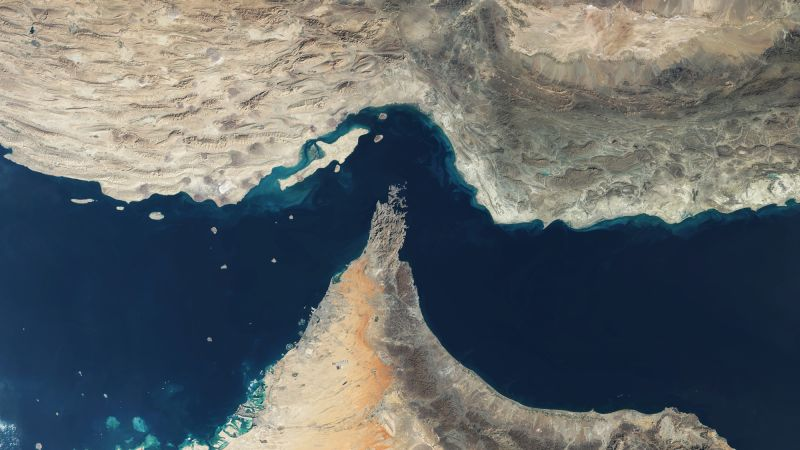
When disruptions occur, supply tightens and prices increase almost immediately. This is not a slow process. It happens quickly, and the effects spread across markets within days. Even countries that produce oil cannot escape this.
Malaysia is deeply connected to these global flows. A significant portion of its supply depends on international trade routes, which means any disruption overseas can translate into higher domestic costs. This is how global shocks move from distant waters to local petrol stations.
Malaysia’s Position in the Oil Market
Malaysia is often described as an oil-producing nation, and that is true. The country exports billions worth of oil and gas each year, placing it firmly within the global energy landscape. In 2025 alone, Malaysia exported around RM170 billion worth of oil and gas products, while importing about RM152 billion, making it a modest net exporter.
At first glance, this creates the impression that Malaysia should be insulated from rising global prices. But the reality is more layered than that.
While Malaysia produces oil, it also imports a significant amount to meet domestic demand, especially when it comes to refined fuels like petrol and diesel. These are the fuels Malaysians use daily, and Malaysia remains dependent on external supply for a portion of them.
This means the issue is not just how much oil Malaysia produces, but what type of oil it produces versus what it actually consumes.
Even though export values slightly exceed imports, this does not mean self-sufficiency. It reflects trade value, not independence. In reality, Malaysia remains closely tied to global oil pricing because of its consumption needs, not just its production strength.
Why Malaysia Trades Oil Both Ways
It may seem counterintuitive that Malaysia exports oil while importing it at the same time. But this is not inefficiency. It is a deliberate economic strategy.
Malaysia produces high-quality crude oil known as light sweet crude, which has lower sulphur content and is easier to refine. Because of this, it commands a higher price in global markets.
Instead of using all of it locally, Malaysia often exports this premium crude to maximise revenue. At the same time, Malaysia imports heavier sour crude oil, which contains higher sulphur but is more compatible with local refining infrastructure. Despite being lower in quality, it can still produce similar end products such as petrol and diesel after processing.
Over time, declining domestic reserves and rising demand have further reinforced this model. Malaysia needs to import both crude oil and refined products to meet domestic consumption while fulfilling export commitments.
In essence, this is a “sell high, buy low” strategy, allowing the country to maximise revenue while keeping operations efficient.
Infrastructure and the Limits of Self-Sufficiency
Another key factor lies in infrastructure. Malaysia’s refineries are not designed to process every type of crude oil. Most are optimised for heavier crude, not the premium crude produced locally.
Malaysia has six oil refineries located in Port Dickson, Kertih, Kemaman, Tangga Batu, Sungai Udang, and Pengerang.
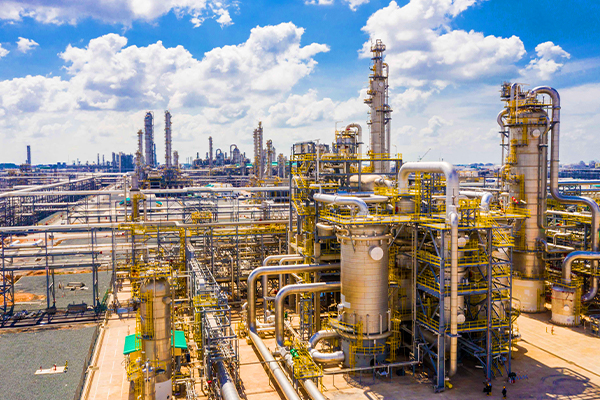
Most of the refineries are designed to process heavier sour crude oil, which is typically imported from countries such as Saudi Arabia, the UAE, and Oman. Only one refinery, PETRONAS Penapisan in Terengganu, is dedicated to processing light sweet crude, handling about 49,000 barrels per day.
This creates a structural mismatch. Malaysia produces high-value crude but lacks sufficient infrastructure to process all of it efficiently.
Building new refineries is not an easy solution. While oil production projects can sometimes generate returns within a year, refineries typically take five to ten years to recover investment costs. This difference in returns makes exporting premium crude more attractive than refining it locally.
As a result, Malaysia’s system is not designed for complete independence. Instead, it is built for optimisation within the global oil network, balancing production, imports, and trade to maximise overall economic value.
How Oil Prices Affect Daily Life
The real impact of rising oil prices is felt at the consumer level. Malaysians rely on refined fuels such as RON95, RON97, and diesel for everyday activities, from commuting to running businesses.
When global prices increase, the cost of importing these fuels rises as well. This affects not just fuel prices, but also logistics, transportation, and the cost of goods across the economy. The influence of oil extends far beyond the petrol station.
This is why changes in global oil markets can be felt across the economy. What begins as a supply disruption eventually shows up in daily expenses, business costs, and overall cost of living.
Global Markets Still Shape Local Fuel Costs
To protect consumers, the government maintains fuel subsidies that keep prices stable. RON95 remains capped at RM1.99 per litre within the subsidised quota, helping to ease the burden on households and businesses.
However, this protection comes at a cost. Recent global developments caused subsidy spending to surge from around RM700 million to RM3.2 billion in a short period. This sharp increase highlights how sensitive national finances are to changes in prices.
The introduction of the 200-litre limit makes one thing clearer. Even though Malaysia produces oil, it does not mean we are protected from what is happening globally.
Malaysia operates within an interconnected system where pricing is influenced by international markets, not just domestic supply.
When global oil prices rise, the impact does not stay overseas. It eventually finds its way here, whether through higher costs, subsidy pressure, or changes like this quota adjustment.
Sources: 1| 2| 3




Discussion about this post