

A school dropout, a struggling business and a change of direction helped shape a family fortune worth US$1.05 billion (approximately RM4.25 billion). Meet Kuan Kam Hon, the founder of Malaysian glove manufacturer Hartalega.
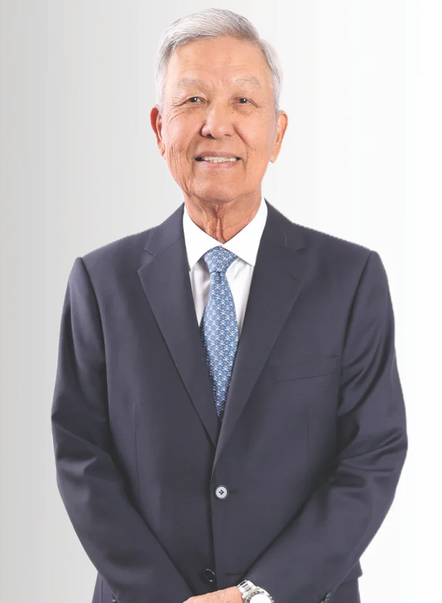
Long before the company announced its RM250 million technology upgrade plan in 2026, Kuan was building houses and manufacturing woven labels.
His breakthrough came when he moved into medical gloves, laying the foundation for a business that would reach markets around the world.
Here is the entrepreneurial journey behind one of Malaysia’s best-known glove manufacturers.
His Journey Began With Houses And Woven Labels
Kuan began his working life in 1969 at his father’s construction business. The company specialised in higher-end homes in the Klang Valley, giving him his first experience in business.
In 1978, he ventured into manufacturing by establishing Timol Weaving. The company produced woven labels and badges, taking him into an industry far removed from property development.
For someone who had left high school, it was another step into unfamiliar territory. But neither construction nor weaving would become the business that eventually made his fortune.
The recession of the 1980s brought a difficult turning point. As his building and weaving businesses came to an end, Kuan needed to find a new direction.
The Change Of Direction That Built Hartalega
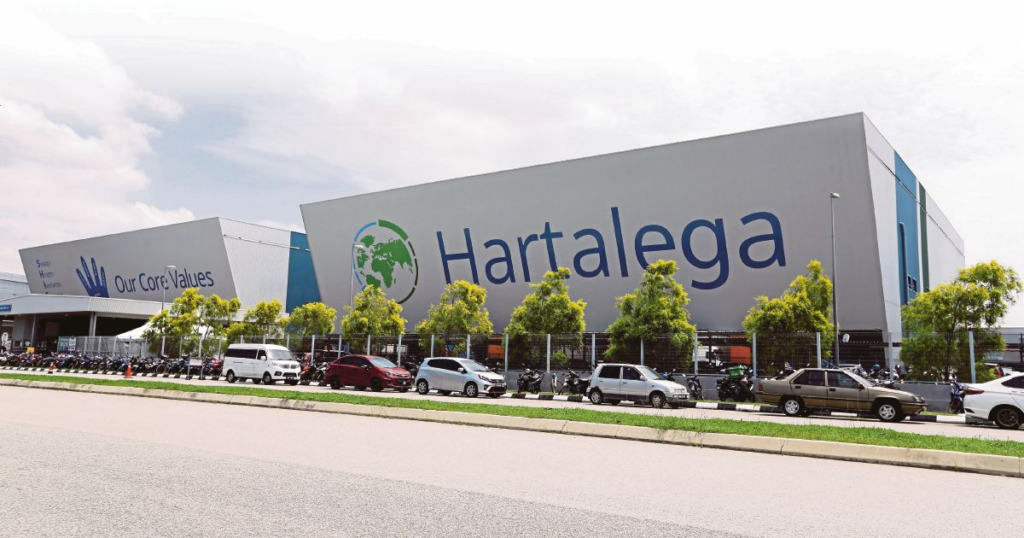
An opportunity emerged as the AIDS epidemic increased demand for protective medical gloves. Healthcare workers were using them more widely to protect against exposure to infectious diseases.
Kuan saw a market for a product that was becoming increasingly important in healthcare. He converted his struggling woven-label and badge operation into a maker of latex gloves.
Hartalega dates the beginning of its glove-manufacturing story to 1988. The move took Kuan into a new industry, but it also allowed him to build on his experience in manufacturing.
The company would eventually grow into one of the world’s leading nitrile glove producers. Getting there, however, required more than recognising rising demand.
How Hartalega Made A Better Glove
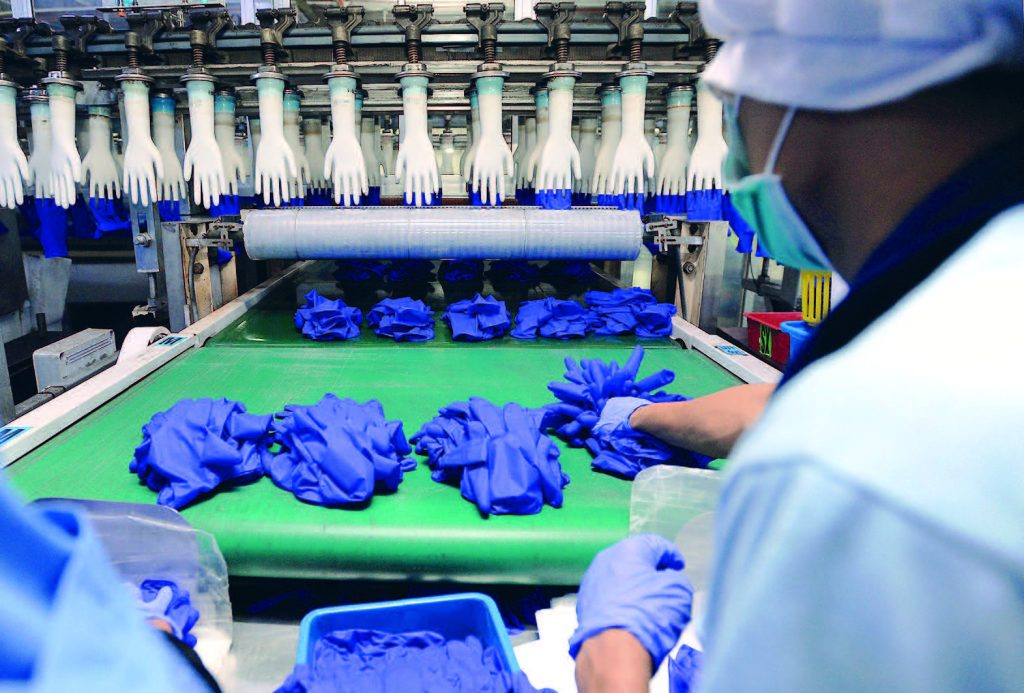
The next opportunity involved solving a problem with the product itself. Natural rubber gloves could trigger latex protein allergies in some users, while conventional nitrile gloves could be thick, stiff and uncomfortable.
Nitrile offered an alternative, but making it more comfortable would help broaden its appeal in healthcare.
Hartalega worked on making nitrile gloves softer, stretchier and lighter. Its company history records a breakthrough in high-elasticity nitrile gloves in 2002, bringing their feel closer to natural rubber.
In 2005, the company introduced what it describes as the world’s first lightweight 4.7-gram nitrile glove. An even lighter 3.7-gram version followed in 2007.
Those small differences in weight mattered to the people wearing them. The improvements offered greater comfort and sensitivity while providing an alternative for users with latex protein allergies.
For Hartalega, product development became an important part of building a competitive business.
The Founder Who Stayed Close To The Factory
Kuan remained closely involved in how the gloves were made. His work extended to equipment design, machinery installation and daily production.
Investment professional Ang Kok Heng, who had known him since the company’s listing, described his involvement simply:
“He is the person who is everywhere in the factory.”
That attention to manufacturing helped Hartalega improve its efficiency. The company developed machinery to remove gloves from moulds and stack them for packing, reducing tasks that had traditionally required manual labour.
By 2012, its production lines could make up to 45,000 gloves an hour.
Behind an everyday healthcare item was an increasingly advanced manufacturing operation. Better equipment, higher output and more efficient use of materials helped the business compete in a global market.
A Billionaire Before The Pandemic Boom
Hartalega listed on Bursa Malaysia in 2008, marking a major milestone in its growth. Five years later, Kuan’s entrepreneurial journey reached another turning point.
In September 2013, Kuan and his family’s wealth was estimated at at least US$1 billion, based on their interests in the company and dividend income.
This was years before Covid-19 brought extraordinary demand for medical gloves. The business had already grown through research, manufacturing improvements and expansion.
His fortune came from a product that many people use without thinking about the work behind it. Each box of gloves represented years of improvements to the materials, machinery and production process.
Bringing The Next Generation Into The Business
As the company grew, Kuan began passing more responsibility to his sons. He stepped down as managing director on 16 November 2012, while remaining executive chairman.
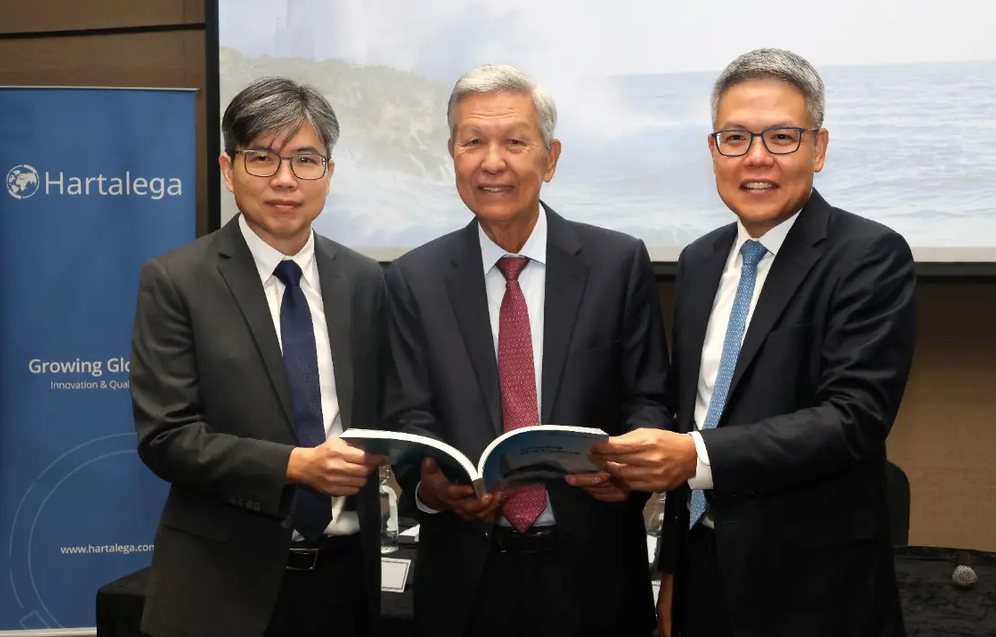
By September 2026, Kuan Mun Leong was Hartalega’s chief executive officer, while Kuan Mun Keng was chief business officer.
The brothers brought different skills to the business. Mun Leong’s background includes mechanical engineering and business administration, while Mun Keng trained in accounting and developed experience across commercial and financial functions.
Mun Leong had joined the engineering department in 2001, gaining experience within the operation before taking on its leadership.
The transition gave the next generation a larger role in shaping the company. Kuan continued as executive chairman, remaining involved in the direction of the business he had built.
Hartalega’s Next Chapter Requires Another Change
Success has not removed the pressure to keep improving. The group faces strong competition, including from Chinese manufacturers investing in advanced production technology.
In September 2026, Hartalega outlined RM250 million in spending on technology, automation and artificial intelligence. This included RM235 million for production technology improvements and RM15 million for AI systems.
The focus is on making existing operations more productive and competitive. At its newest Plant 9 facility, automation and AI had reduced headcount by 27%, while the facility was operating at more than 50,000 gloves an hour.
Successful technologies were intended for wider use across the group, extending improvements beyond a single factory.
For Kuan, changing direction was the beginning of the story, but continuous improvement helped sustain it.
Construction gave him his start. Woven labels took him into manufacturing. Medical gloves became the opportunity that transformed his future.
Sources: 1 | 2 | 3 | 4 | 5 | 6
Related articles:
The Kossan Story: From A Fishing Village To 28 Billion Gloves A Year
Top Glove Founder Shares 10 Tips To Be A Better Version of Yourself As An Entrepreneur








Discussion about this post